Ronnie Lott Net Worth 2026 - How They Built Their Fortune

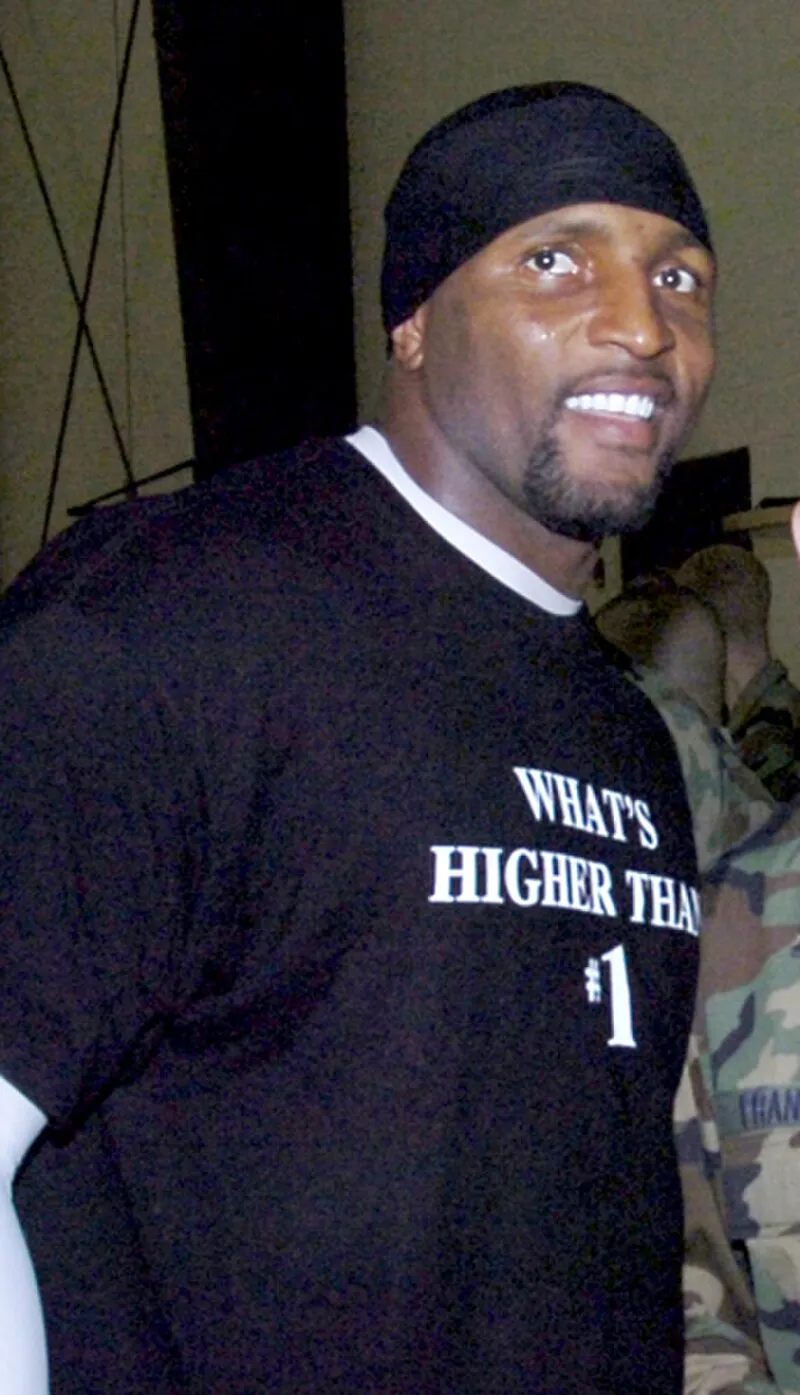
Photo of Ronnie Lott, via Wikimedia Commons
When Ronnie Lott was playing safety for the San Francisco 49ers in the 1980s, he was already being described in terms that transcended football. His combination of physical ferocity, technical mastery, and leadership intelligence made him the defining defensive player of one of the greatest dynasties the NFL has ever produced. What fewer people anticipated was that those same qualities — the strategic thinking, the competitive drive, the willingness to make unconventional decisions — would make him an equally formidable figure in the world of business and finance.
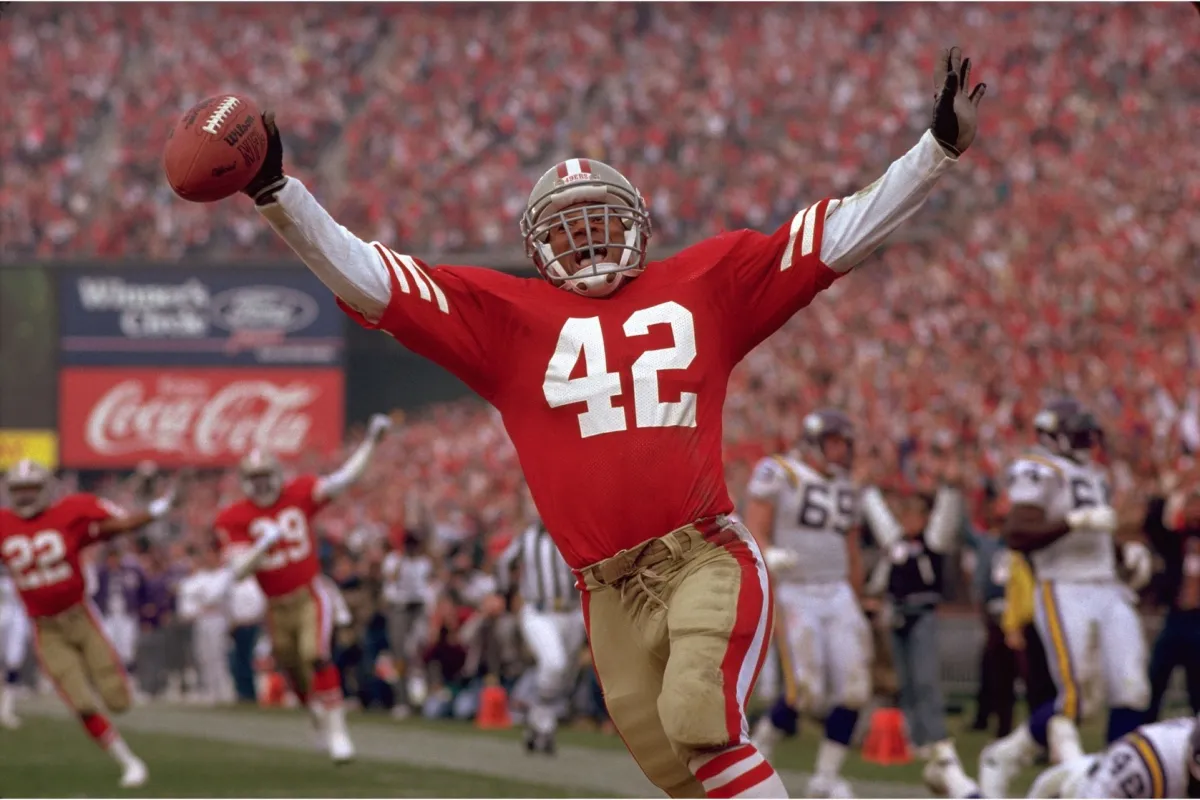 Photo: Ronnie Lott, via ilarge.lisimg.com
By 2026, Ronnie Lott's estimated net worth stands at approximately $50 million to $60 million, a figure that reflects not merely what he earned during his playing career but what he built in the three decades that followed.
Four Rings and a Financial Education
Lott was selected by the San Francisco 49ers with the eighth overall pick in the 1981 NFL Draft, arriving in the Bay Area as a cornerback before transitioning to safety — the position at which he would redefine the standards of the game. His rookie contract, like those of his era, was modest by contemporary standards. Player salaries in the early 1980s bore little resemblance to the nine-figure guarantees that define today's market.
Nevertheless, Lott was among the better-compensated defensive players of his generation. His four Super Bowl victories with San Francisco — in the 1981, 1984, 1988, and 1989 seasons — came with championship bonuses and the kind of cultural cachet that, even in a pre-social-media era, carried commercial value. By the time he departed the 49ers following the 1990 season, his cumulative NFL earnings were estimated in the range of $10 million to $15 million — a substantial sum for the period, though a fraction of what elite players would command in subsequent decades.
His later stints with the Los Angeles Raiders, the New York Jets, and the Kansas City Chiefs added to his career earnings before he retired following the 1994 season. Across his entire NFL career, Lott's football income is estimated to have totaled approximately $20 million in nominal terms.
The Pivot to Venture Capital
What distinguishes Ronnie Lott's financial story from most former athletes is not what he earned during his playing career — it is what he did with those resources after he left the game. Rather than pursuing the conventional post-football path of broadcasting, coaching, or passive investment, Lott immersed himself in the world of venture capital and private equity with a seriousness of purpose that surprised many observers.
In 1999, Lott co-founded HRJ Capital alongside fellow former NFL players Harris Barton and Joe Montana. The firm — whose name derives from the initials of its three founders — was established to invest in private equity and venture capital funds, operating as a fund-of-funds structure that gave institutional and high-net-worth investors access to a diversified portfolio of alternative investments.
At its peak, HRJ Capital managed assets reported to be in the range of $1.5 billion to $2 billion, positioning it as one of the most significant athlete-founded financial enterprises in American history. The firm invested across a range of sectors including technology, healthcare, and consumer goods, with a particular focus on funds managed by established private equity and venture capital firms.
HRJ Capital encountered significant challenges during the global financial crisis of 2008 and 2009, a period that tested virtually every alternative investment vehicle. The firm subsequently scaled back its operations and restructured its activities. Nevertheless, the experience it provided Lott — and the returns generated during its peak years — contributed meaningfully to his overall wealth accumulation.
Real Estate Holdings
Parallel to his venture capital activities, Lott has maintained a substantial real estate portfolio concentrated primarily in Northern California. The San Francisco Bay Area, where he built his football legacy, has experienced some of the most dramatic property appreciation of any real estate market in the United States over the past three decades.
Properties acquired during and after his playing career have increased dramatically in value, with the Bay Area's technology-driven economic expansion creating sustained demand for both residential and commercial real estate. Industry observers estimate that Lott's real estate holdings contribute several million dollars to his overall net worth, with the precise figure difficult to assess given the private nature of his property investments.
Media, Speaking, and Brand Value
As a Hall of Fame inductee — Lott was enshrined in Canton in 2000 — he carries a brand value that extends well beyond the immediate sports media ecosystem. His reputation as one of the game's greatest competitors has made him a sought-after voice on questions of leadership, team culture, and competitive excellence.
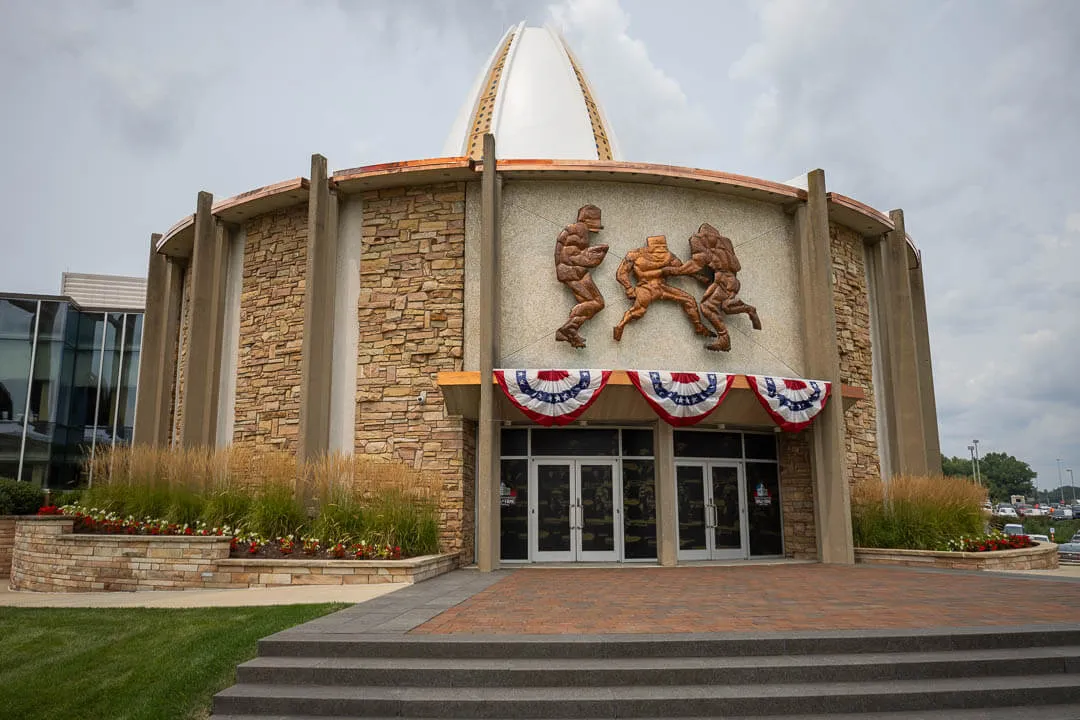 Photo: Pro Football Hall of Fame, via www.whyweseek.com
Lott has participated in speaking engagements for corporate audiences, drawing on his experience both as a championship athlete and as a business builder. These appearances, which command fees commensurate with his stature, supplement his investment income. He has also maintained relationships with media outlets and has appeared as a commentator and analyst, contributing to a diversified income stream that reduces his dependence on any single revenue source.
His association with the 49ers franchise — one of the NFL's most globally recognized brands — continues to provide commercial opportunities, including appearances tied to the team's alumni and legacy marketing initiatives.
Philanthropy and Community Investment
Lott has been a consistent philanthropic presence in the Bay Area, with particular focus on youth development and educational initiatives. His charitable work, while not a direct driver of net worth, contributes to the network of relationships and institutional goodwill that often facilitates business opportunities for high-profile former athletes.
His First and Goal foundation has supported programs designed to provide young people with access to educational and athletic resources, reflecting a long-term commitment to community investment that has defined his public profile since his retirement.
A Blueprint for Post-Career Wealth
Ronnie Lott's financial journey offers a masterclass in what is possible when elite athletic achievement is paired with genuine intellectual curiosity about the world of business. He did not merely license his name or accept ceremonial roles — he built operating businesses, managed institutional capital, and engaged with the mechanics of investment in ways that few former athletes have attempted.
The challenges he encountered, including the turbulence at HRJ Capital during the financial crisis, are part of the story rather than a contradiction of it. Sophisticated investors accept setbacks as a feature of the business landscape, not a disqualifying failure. Lott's willingness to engage with those risks — and to learn from the outcomes — reflects the same competitive intelligence that made him a four-time champion on the field.
In 2026, Ronnie Lott's net worth is a testament to a life lived at full speed — in both arenas.