Ronnie Lott Net Worth 2026 - How They Built Their Fortune

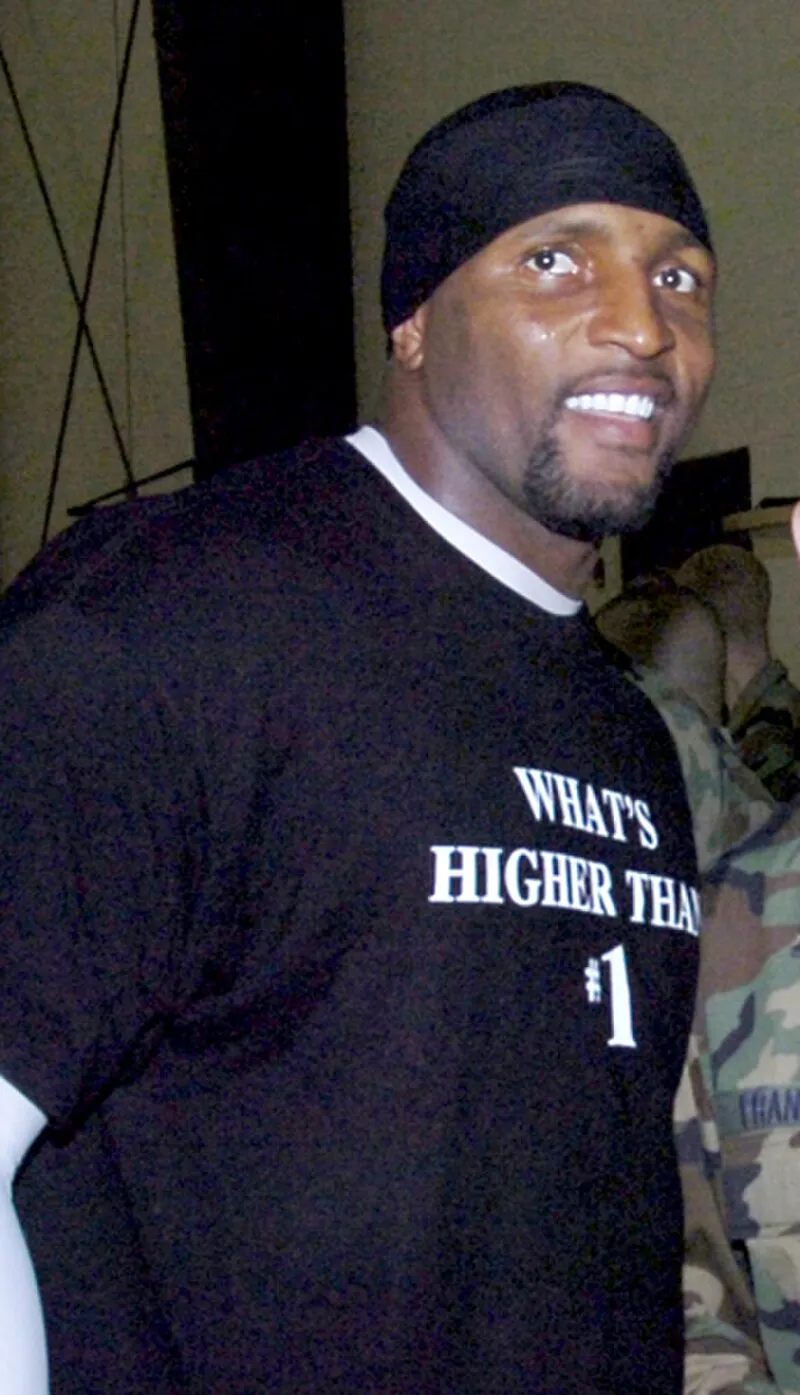
Photo of Ronnie Lott, via Wikimedia Commons
When historians catalog the greatest safeties in NFL history, Ronnie Lott invariably occupies one of the top positions. But Lott's legacy extends far beyond the football field. He is, by any reasonable measure, one of the most financially sophisticated former players in the sport's history — a man who leveraged four Super Bowl championships, a Hall of Fame career, and a sharp business intellect into a post-retirement portfolio that few athletes of any era have matched. In 2026, Ronnie Lott's net worth is estimated at approximately $40 million, a figure shaped as much by venture capital acumen as by NFL contracts.
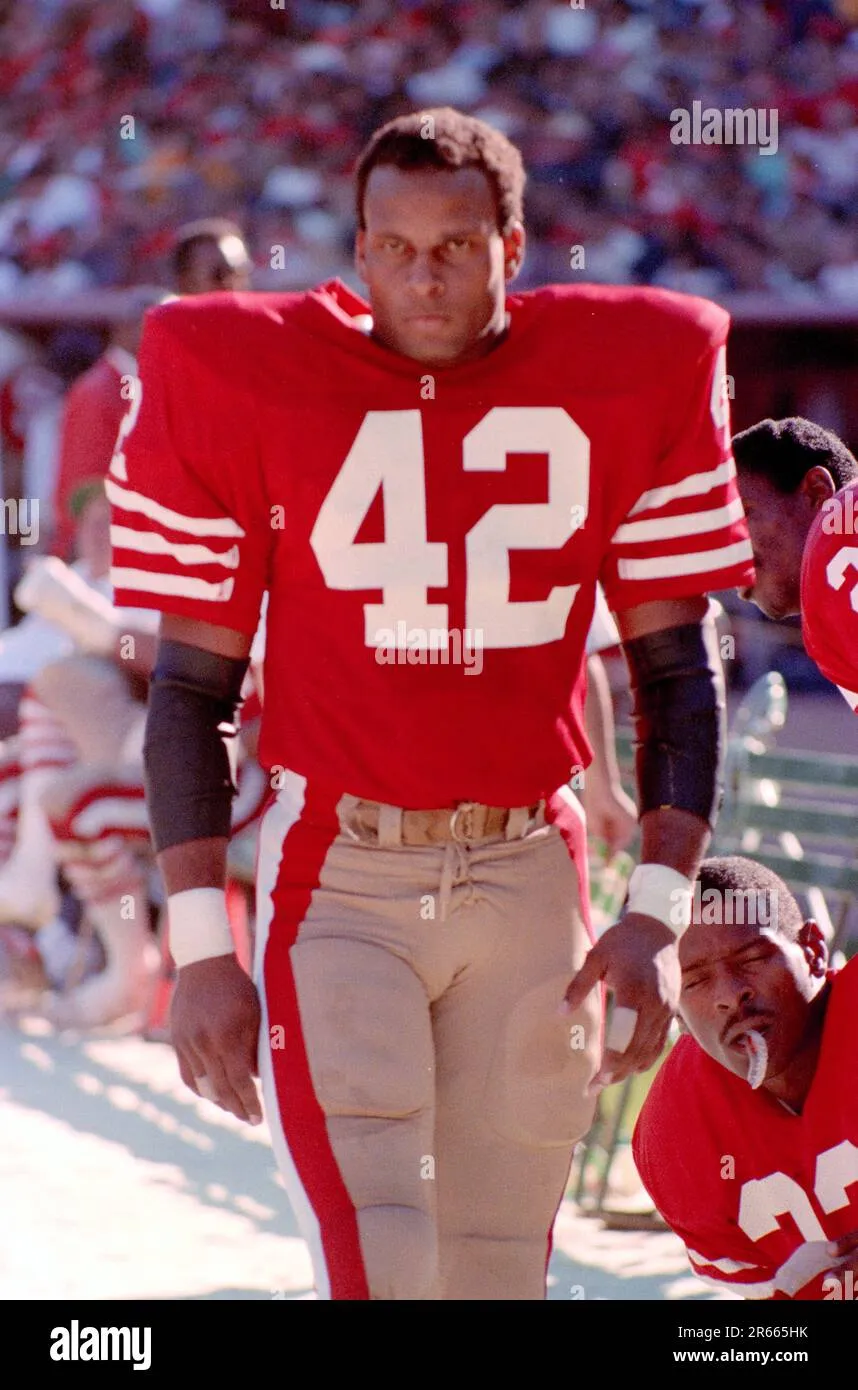 Photo: Ronnie Lott, via c8.alamy.com
From Albuquerque to the NFL Draft
Born on May 8, 1959, in Albuquerque, New Mexico, Lott developed into one of the most physically imposing defensive backs in college football history at the University of Southern California. The San Francisco 49ers selected him with the eighth overall pick in the 1981 NFL Draft, beginning one of the most decorated careers the defensive backfield has ever produced.
 Photo: San Francisco 49ers, via wallpapercave.com
His arrival in San Francisco coincided with the dawn of the 49ers dynasty under head coach Bill Walsh — a period of sustained excellence that would define the franchise's identity for more than a decade.
On-Field Earnings Across Four Franchises
Lott's NFL career spanned 14 seasons and four franchises: the San Francisco 49ers (1981–1990), the Los Angeles Raiders (1991–1992), the New York Jets (1993–1994), and a brief return with the Kansas City Chiefs (1995). His total career earnings from NFL contracts are estimated in the range of $15 million to $20 million — a figure that, while substantial for its era, reflects the dramatically different compensation structures that governed professional football before the salary cap era reached full maturity.
Despite playing in a period when NFL salaries were a fraction of current levels, Lott was consistently among the higher-compensated defensive players of his time. His four Super Bowl rings with San Francisco — earned in the 1981, 1984, 1988, and 1989 seasons — placed him at the center of the most successful franchise in the sport during that decade, which enhanced his endorsement marketability considerably.
Endorsements and Commercial Partnerships
During his playing career, Lott's combination of physical dominance and articulate public presence made him an appealing commercial partner for national brands. He secured endorsement arrangements with companies in the apparel, sporting goods, and financial services sectors — categories that valued his image as a disciplined, high-achieving professional.
While specific endorsement figures from his playing years are not publicly disclosed, industry context suggests these deals contributed several million dollars to his career earnings. His post-retirement commercial work, particularly in connection with his venture capital activities, has extended his brand value in more targeted, high-net-worth circles.
The Venture Capital Pivot: HRJ Capital
If there is a single chapter of Ronnie Lott's financial biography that distinguishes him from virtually every other former NFL player, it is his co-founding of HRJ Capital — a private equity and venture capital firm established in the early 2000s alongside fellow former athletes Harris Barton and Merton Hanks, as well as other partners.
HRJ Capital focused on fund-of-funds investing, allocating capital to established private equity and venture capital managers across a range of sectors. Operating from the heart of Silicon Valley, the firm positioned itself at the intersection of sports celebrity and institutional finance — a combination that opened doors to institutional investors, pension funds, and high-net-worth individuals who were drawn to both the professional credibility of its founders and their access to elite investment managers.
At its peak, HRJ Capital managed assets in the range of $1.5 billion to $2 billion, a scale that placed it firmly in the institutional investment tier. While the firm faced significant headwinds during the 2008–2009 financial crisis — challenges that affected the broader private equity industry — Lott's involvement with HRJ established him as a legitimate financial professional, not merely a celebrity investor lending his name to someone else's enterprise.
His earnings from HRJ Capital through management fees, carried interest, and co-investment opportunities are estimated to represent the single largest component of his post-NFL wealth accumulation.
Broadcasting and Media Contributions
Lott has maintained a consistent media presence since his retirement from professional football. He has served as a studio analyst and contributor for various NFL broadcast properties, offering defensive analysis and historical perspective informed by his extraordinary playing experience.
Broadcasting roles at the level Lott has occupied typically generate annual compensation in the $500,000 to $2 million range, depending on the scope and exclusivity of the arrangement. While his media commitments have been selective rather than full-time in recent years, they have contributed meaningfully to his overall income profile and kept his public brand active and visible.
Real Estate and Investment Portfolio
Lott's real estate holdings reflect the geographic contours of his career and business life. Properties in the San Francisco Bay Area — one of the most expensive real estate markets in the United States — form the core of his real estate portfolio, with values that have appreciated dramatically over the decades since his playing days.
Beyond real estate, Lott's investment portfolio reflects the diversification philosophy that has guided his post-NFL financial life. His exposure to private equity, venture capital, and public market investments through his HRJ Capital work has given him a sophisticated, professionally managed approach to wealth preservation and growth.
Philanthropy and Community Investment
Lott has directed meaningful financial resources toward philanthropic causes throughout his post-retirement years. His All Stars Helping Kids foundation, which he co-founded, focuses on supporting youth-serving nonprofits across the Bay Area — an initiative that reflects both his community ties and his understanding that sustained giving is itself a form of legacy investment.
While philanthropy represents an outflow rather than an income stream, it is an important dimension of Lott's overall financial identity and contributes to the brand equity that continues to generate commercial and civic opportunities.
Hall of Fame Legacy and Licensing Value
Inducted into the Pro Football Hall of Fame in 2000, Lott benefits from the sustained licensing and memorabilia demand that accompanies Hall of Fame status. Authenticated collectibles, licensing agreements, and personal appearance fees tied to his Hall of Fame identity generate ongoing passive income — a financial return that compounds quietly alongside his more active business interests.
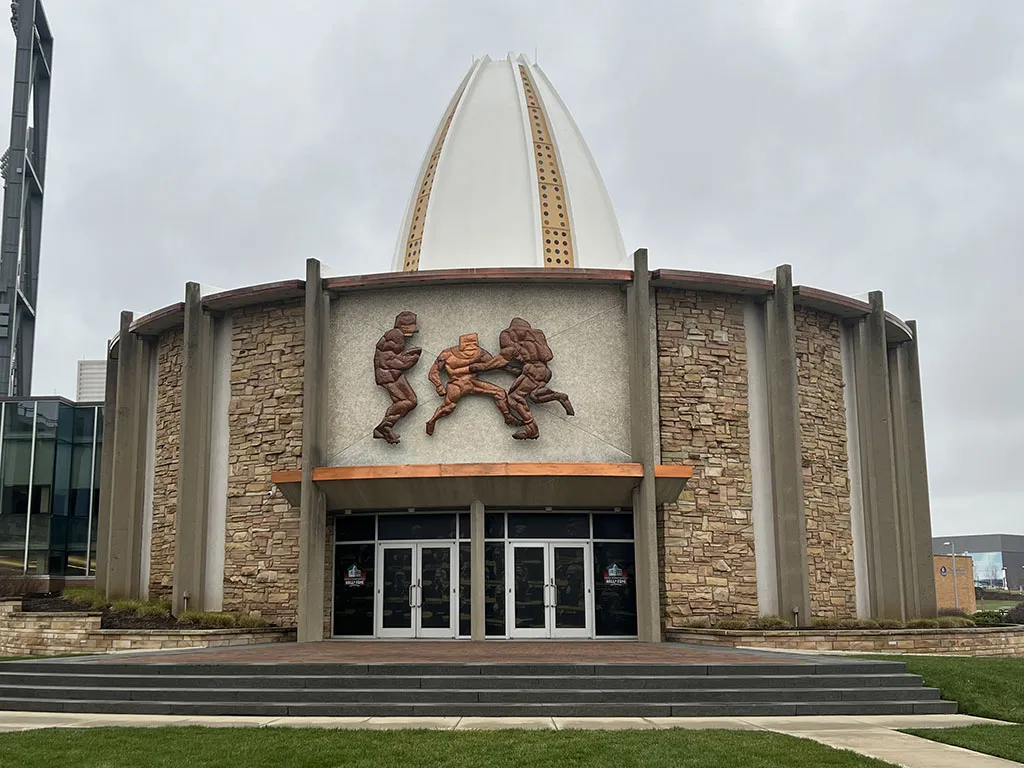 Photo: Pro Football Hall of Fame, via dt1jqiolganbd.cloudfront.net
Net Worth Assessment for 2026
Ronnie Lott's estimated $40 million net worth in 2026 is the product of a genuinely unusual combination: elite athletic achievement, exceptional timing in the venture capital space, and a disciplined approach to financial management that has outlasted the volatility of markets and industries. He stands as one of the clearest examples in professional football of what is possible when a player treats post-retirement financial life with the same rigor applied to preparation on the field.