Reggie White Net Worth 2026 - How They Built Their Fortune
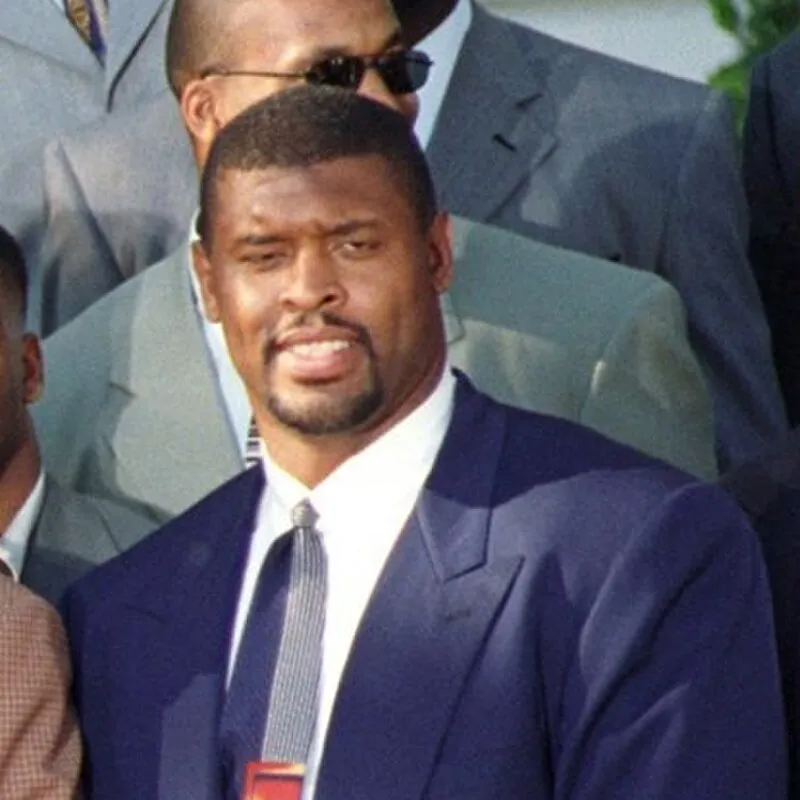
Photo of Reggie White, via Wikimedia Commons
Reggie White, known as the 'Minister of Defense,' established a financial legacy that continues to generate substantial wealth for his estate more than two decades after his passing in 2004. The Hall of Fame defensive end's estate is estimated to be worth $25 million as of 2026, built through revolutionary NFL contracts, strategic endorsements, and ongoing licensing agreements that capitalize on his legendary status.
USFL Origins and Early Professional Earnings
White's professional career began in 1984 with the Memphis Showboats of the United States Football League, where he signed a four-year contract worth $4 million. This deal was remarkable for the time and established White as one of the highest-paid defensive players in professional football before he even entered the NFL.
When the USFL folded, White's rights were acquired by the Philadelphia Eagles, where he would begin building his NFL fortune and reputation as the most dominant pass rusher of his generation.
Philadelphia Eagles Foundation Years
During his eight seasons with the Eagles (1985-1992), White established himself as both a defensive force and a marketable personality. His initial NFL contracts were modest by today's standards, but White maximized his earning potential through performance incentives and local endorsement deals in the Philadelphia market.
White's combination of on-field excellence and off-field ministry work made him an attractive spokesperson for Christian-oriented brands and family-friendly companies. His 'Minister of Defense' nickname perfectly captured his dual identity as both a fierce competitor and devoted man of faith.
The Groundbreaking Green Bay Contract
In 1993, White made NFL history by signing a four-year, $17 million contract with the Green Bay Packers, making him the highest-paid defensive player in league history at the time. The deal included a $4.5 million signing bonus and established new market values for elite pass rushers.
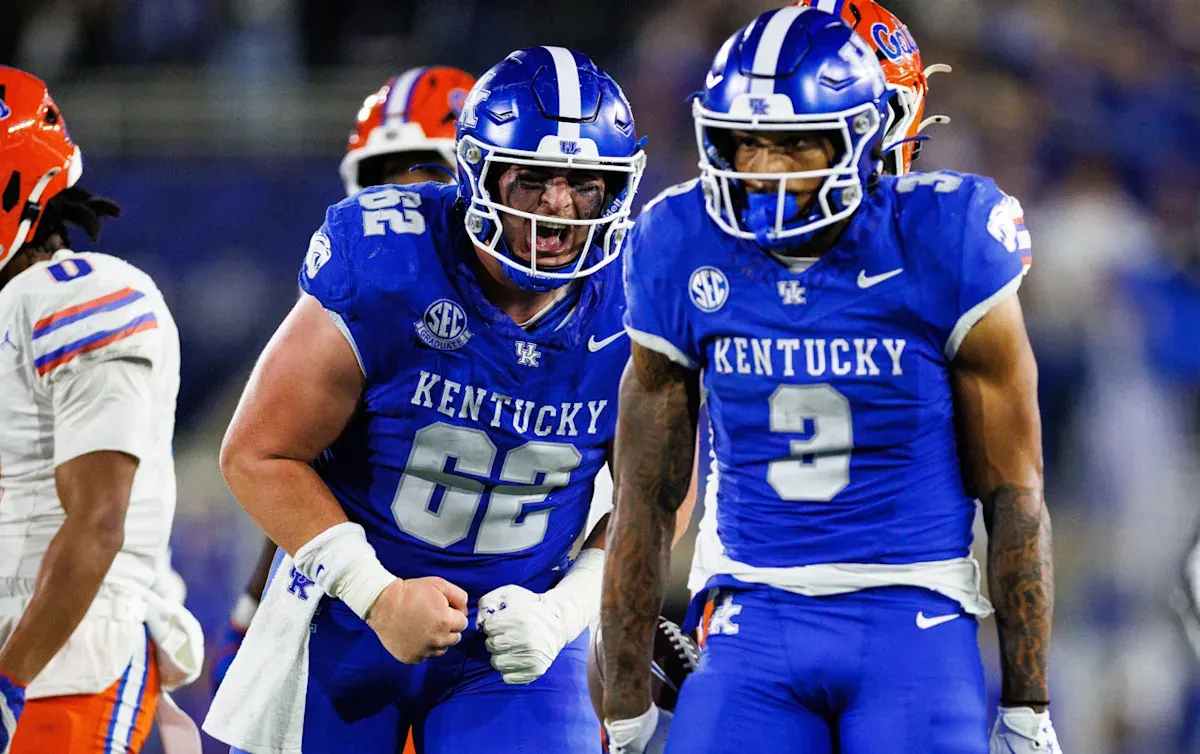 Photo: Green Bay Packers, via s.yimg.com
This contract was revolutionary not just for its size, but for how it demonstrated the value teams placed on game-changing defensive players. White's move to Green Bay also proved prescient, as he helped lead the Packers to victory in Super Bowl XXXI, significantly boosting his marketability and endorsement value.
 Photo: Super Bowl XXXI, via static.clubs.nfl.com
Endorsement Portfolio and Brand Partnerships
Throughout his career, White maintained endorsement deals with several major brands. His partnership with Nike was particularly lucrative, featuring him in advertising campaigns that highlighted his dominance on the defensive line. The Nike relationship included both annual payments and royalty agreements on signature merchandise.
White also had endorsement agreements with Campbell's Soup, appearing in commercials that played up his family-man image and appeal to mainstream audiences. His clean reputation and community involvement made him an ideal spokesperson for brands targeting family demographics.
Ministry and Community Investments
White's commitment to ministry work extended beyond personal fulfillment to create additional revenue streams. He authored several books about faith and football, generating royalty income that continued after his playing career. His speaking engagements at churches and corporate events commanded substantial fees throughout the 1990s and early 2000s.
The Reggie White Foundation, established during his playing career, not only served his charitable goals but also created networking opportunities that led to business partnerships and investment opportunities.
Final Playing Years and Career Earnings
White's final NFL season came with the Carolina Panthers in 2000, where he signed a one-year contract worth $2 million. Throughout his 15-year professional career (including USFL), White earned approximately $35 million in salary and bonuses, a substantial sum that he invested wisely in real estate and business ventures.
Post-Career Business Ventures
After retirement, White expanded his business interests beyond football. He invested in commercial real estate developments in Tennessee and Wisconsin, markets where he had built strong local connections during his playing career. These investments provided steady passive income streams.
White also explored opportunities in Christian media, including radio and television programming that aligned with his ministry work. While these ventures were not primarily profit-driven, they maintained his public profile and created additional revenue opportunities.
Estate Management and Ongoing Revenue
Following White's unexpected death in 2004 at age 43, his estate has been professionally managed to maximize the ongoing value of his name and likeness. The estate continues to generate revenue through several key channels:
Licensing and Memorabilia
White's memorabilia remains highly sought after by collectors, with game-worn jerseys and signed items commanding premium prices at auctions. The estate has maintained control over licensing agreements for merchandise and collectibles, ensuring ongoing royalty streams.
Media and Documentary Appearances
White's legacy is frequently featured in NFL historical programming, documentaries about the 1990s Packers, and retrospectives on great defensive players. These appearances generate licensing fees and keep his brand relevant to new generations of fans.
Video Game Royalties
As one of the greatest players in NFL history, White continues to appear in various video game titles, including retro versions of popular franchises. These licensing agreements provide ongoing royalty payments to his estate.
Real Estate Holdings and Investments
The White estate includes substantial real estate holdings in Tennessee, Wisconsin, and North Carolina. These properties have appreciated significantly over time, contributing to the overall estate value. The family has maintained ownership of key properties while selling others to optimize the portfolio.
Legacy Value and Future Projections
As of 2026, the Reggie White estate represents one of the most successfully managed former NFL player estates. The combination of his on-field achievements, personal character, and strategic business decisions during his lifetime created a foundation for lasting wealth.
The estate's value is expected to remain stable or grow modestly, supported by the enduring appeal of White's legacy and the continued popularity of NFL historical content. His status as both a Hall of Fame player and cultural icon ensures ongoing demand for licensing and memorabilia opportunities.
Reggie White's financial legacy demonstrates how elite NFL players can build wealth that extends far beyond their playing careers, particularly when combined with strong personal branding and diversified investment strategies.