Marvin Harrison Jr. Net Worth 2026 - How They Built Their Fortune
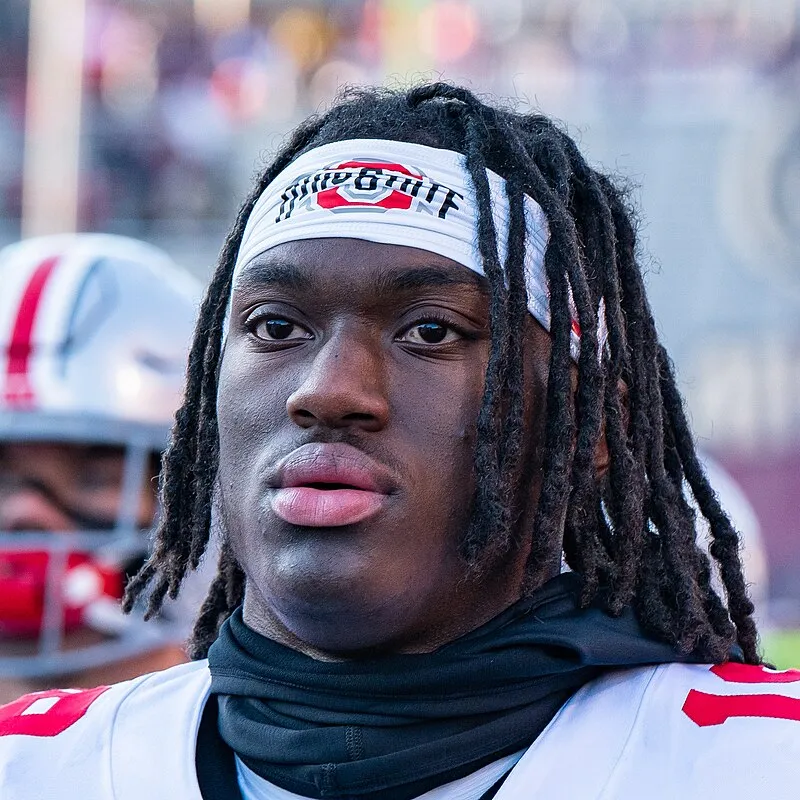
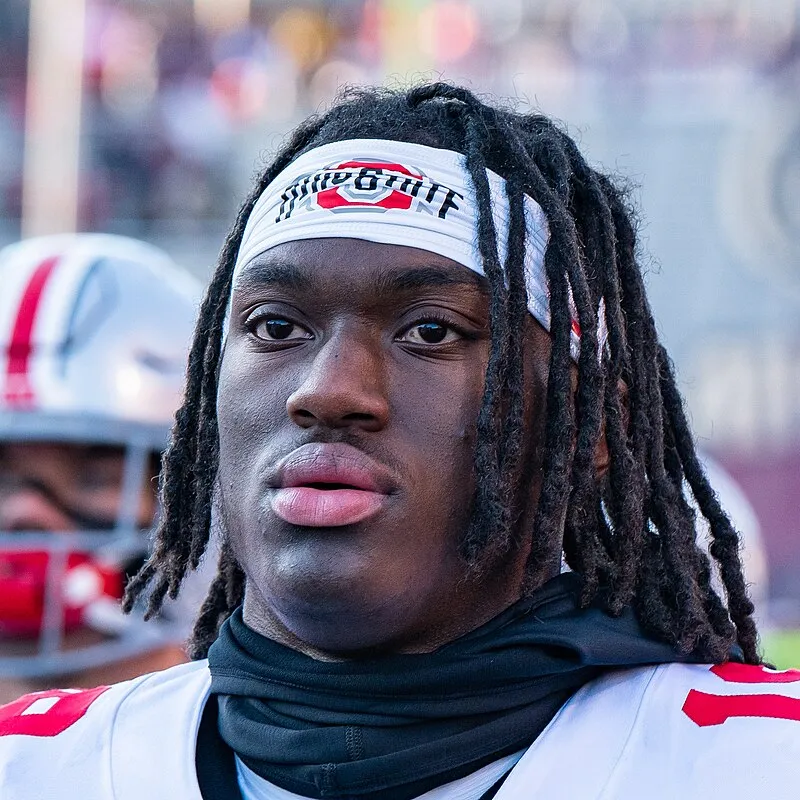
Photo of Marvin Harrison Jr., via Wikimedia Commons
Marvin Harrison Jr. entered professional football in 2024 carrying the weight of a legendary surname and the financial expectations that accompany a top-five draft selection. The son of Pro Football Hall of Famer Marvin Harrison, the Arizona Cardinals wide receiver has wasted no time in establishing his own identity — both on the field and in the marketplace. As of 2026, his estimated net worth stands at approximately $8 million, a figure that reflects his rookie contract earnings, early endorsement partnerships, and the NIL foundation he built during one of the most celebrated college careers in recent Ohio State history. More importantly, it is a number that almost every credible financial projection suggests is merely the opening chapter.
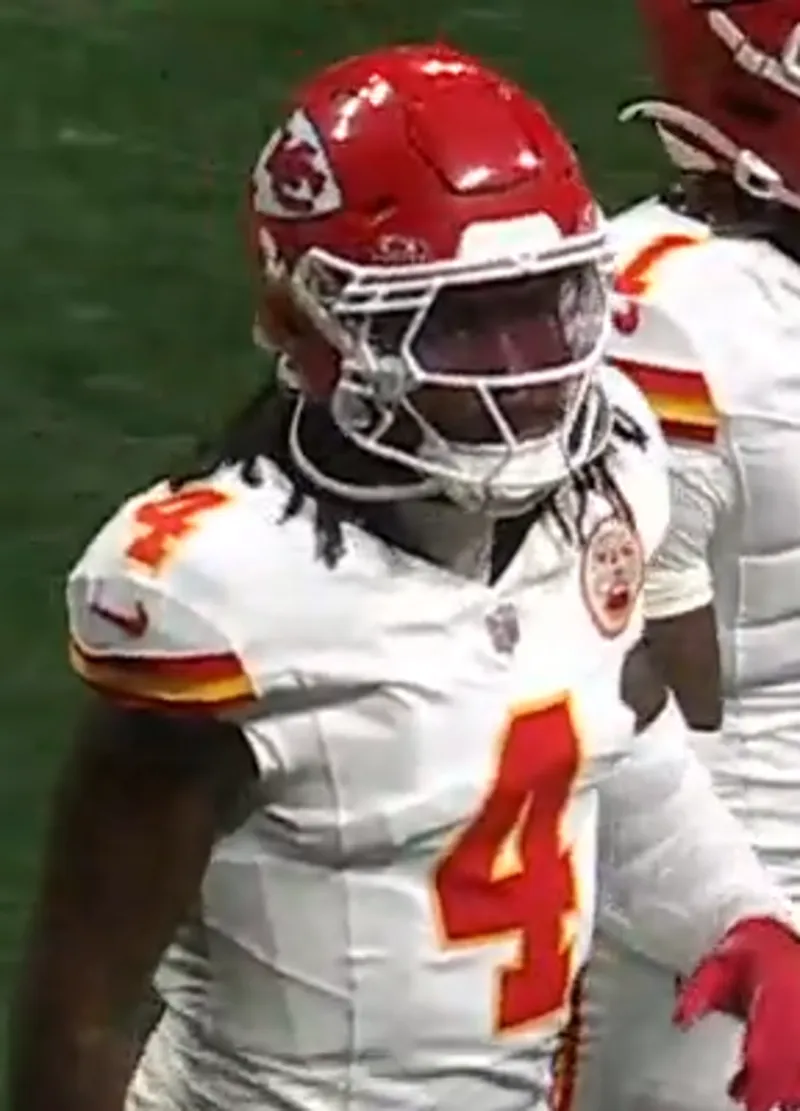
 Photo: Arizona Cardinals, via cdn.wallpapersafari.com
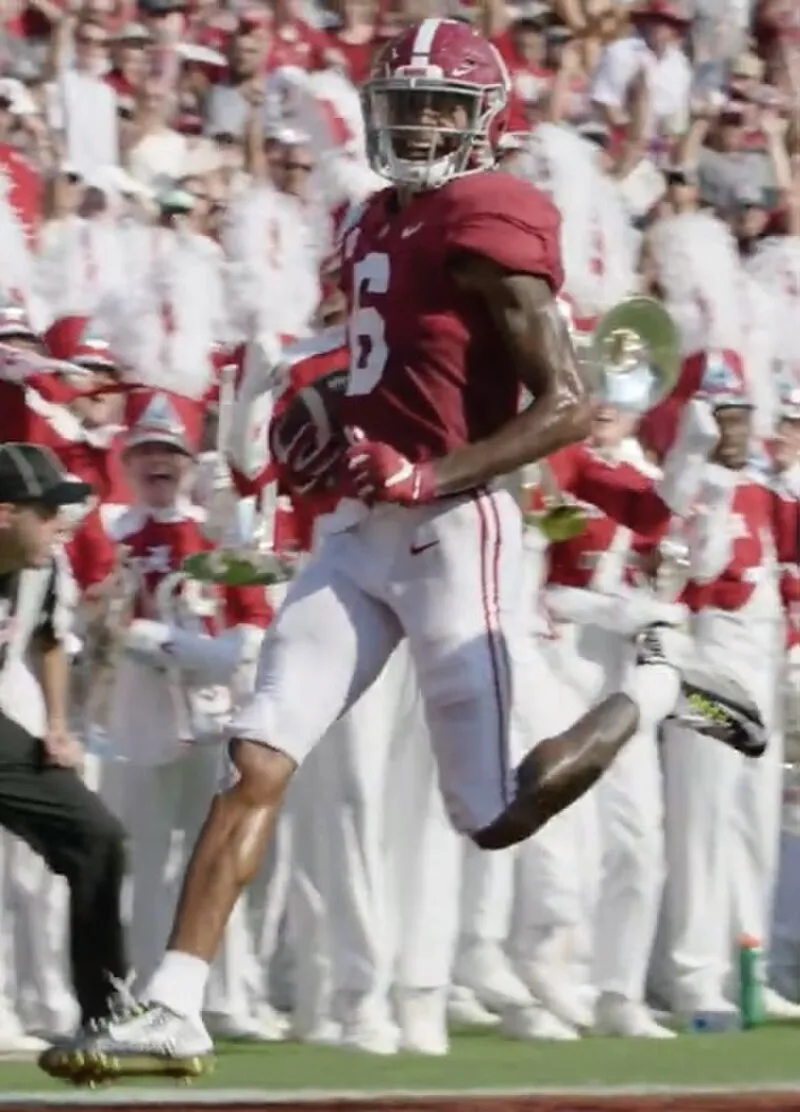
 Photo: Ohio State, via wallpapers.com
The Name, the Legacy, and the Draft
Few prospects enter the NFL with the kind of name recognition that Marvin Harrison Jr. carried into the 2024 draft. His father, Marvin Harrison Sr., is one of the greatest wide receivers in NFL history — an eight-time Pro Bowl selection and Super Bowl champion whose 1,102 career receptions stood as the gold standard for an entire generation of pass-catchers.
But Harrison Jr. arrived in Indianapolis for the 2024 NFL Draft Combine having earned his own credentials. His tenure at Ohio State was defined by statistical dominance, physical refinement, and a route-running sophistication unusual for a college receiver. He was widely projected as a top-five selection, and the Arizona Cardinals fulfilled that projection by selecting him with the fourth overall pick in April 2024.
The Rookie Contract: A $34 Million Foundation
The financial architecture of Harrison Jr.'s early career rests on his four-year rookie contract, which carries a total value of approximately $34.6 million and includes a fully guaranteed signing bonus of roughly $23 million. Under the NFL's collective bargaining agreement, rookie contracts for top-five picks are slotted — meaning the structure is largely predetermined — but the dollar amounts at that level of the draft remain transformative for a player entering the league in his early twenties.
His annual average value from the rookie deal positions him in the upper tier of first-year receiver compensation, and the fully guaranteed nature of the contract's early years provides financial security that few athletes in any sport experience at the outset of their professional careers.
For context, comparable fourth overall picks at the wide receiver position in recent draft cycles — players like Ja'Marr Chase, who signed a record-breaking extension with the Cincinnati Bengals, and Justin Jefferson, whose contract reset the market for pass-catchers — illustrate the trajectory that Harrison Jr.'s earning power could follow if his on-field development meets expectations.
NIL Momentum and the College Brand
Before Harrison Jr. ever signed an NFL contract, he was already generating income through the NCAA's Name, Image, and Likeness framework. Ohio State wide receivers occupy one of the most commercially visible positions in college football — the program's national profile, its consistent playoff presence, and the marketing infrastructure that surrounds Big Ten football created an ideal environment for Harrison Jr. to build early brand equity.
His NIL partnerships during his Buckeyes career included arrangements with apparel and lifestyle brands eager to associate with a player who combined elite on-field production with a recognizable last name and polished public presence. While specific NIL earnings are not publicly reported, industry observers familiar with the Ohio State program estimate that top-tier Buckeyes receivers in Harrison Jr.'s draft class were generating $1 million or more annually from NIL arrangements at their peak.
This NIL foundation mattered financially not only for the direct income it produced, but for the brand infrastructure it established — relationships with agents, marketing professionals, and corporate partners that carried directly into his NFL endorsement negotiations.
Early NFL Endorsement Deals
Since being drafted, Harrison Jr. has moved deliberately into the endorsement marketplace. His partnerships reflect the careful brand-building philosophy that his representatives have clearly adopted — selective, category-appropriate deals with companies that align with his image as a technically precise, heritage-connected professional athlete.
Among the categories where Harrison Jr. has secured or is understood to be pursuing commercial arrangements are athletic apparel, sports nutrition, and lifestyle consumer brands. Endorsement deals at this stage of a young receiver's career typically range from $500,000 to $2 million annually for players with his draft pedigree and name recognition, with the potential to scale significantly as his NFL performance data accumulates.
The Harrison name itself functions as a form of endorsement collateral. Brands understand that consumers who grew up watching Marvin Harrison Sr. carry an emotional connection to the family identity — a form of inherited brand equity that is genuinely rare in professional sports marketing.
Comparing His Financial Start to Elite Young Receivers
To understand where Harrison Jr.'s net worth is headed, it is instructive to examine the financial trajectories of the receivers who preceded him as premium draft investments. Ja'Marr Chase signed a four-year, $140 million extension with the Bengals in 2024, becoming the highest-paid non-quarterback in NFL history at the time of the deal. Justin Jefferson's extension with the Minnesota Vikings, also signed in 2024, set a then-record for wide receivers at $35 million per year.
If Harrison Jr. develops into the tier-one receiver that his college production and draft positioning suggest, his first major contract extension — likely to be negotiated between 2026 and 2028 — could place him in the same compensation neighborhood as Chase and Jefferson. A contract in the range of $30 million to $40 million annually is not an unreasonable projection for a receiver who fulfills the expectations attached to a fourth overall selection.
Real Estate and Early Wealth Management
Like many high-profile rookies advised by sophisticated representation, Harrison Jr. is understood to have begun allocating a portion of his guaranteed contract income into conservative wealth management strategies. Real estate in the Phoenix metropolitan area — where the Cardinals are based — represents a natural early investment for a player establishing roots in his NFL city, and the Arizona market's long-term growth trajectory makes it an appealing asset class for a young professional with a long earning horizon ahead of him.
The Financial Trajectory Ahead
Marvin Harrison Jr.'s estimated $8 million net worth in 2026 is best understood not as a destination but as a departure point. The combination of a fully guaranteed rookie contract, an established endorsement platform, NIL-built brand infrastructure, and the surname recognition of one of the game's all-time greats positions him for a wealth accumulation curve that could reach $50 million or more within the next decade, assuming his on-field performance justifies a market-rate extension.
In the landscape of young NFL wide receivers, few players enter the league with as complete a financial foundation — or as compelling a long-term commercial story — as Marvin Harrison Jr. His fortune is, by every reasonable measure, just getting started.